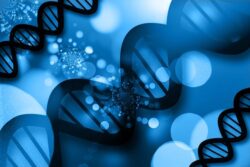
Genetics
Introduction Genetics is the scientific study of genes, heredity, and variation in living organisms. It involves the examination of how traits are passed down from one generation to the next,…
Introduction Genetics is the scientific study of genes, heredity, and variation in living organisms. It involves the examination of how traits are passed down from one generation to the next,…

Introduction Ecology is the scientific study of the relationships between organisms and their environment. It focuses on understanding the interactions and interdependencies among living organisms, including plants, animals, and microorganisms,…
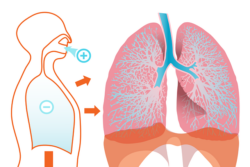
Introduction Respiration is a vital biological process that occurs in living organisms, including humans and animals. It involves the exchange of gases, specifically oxygen and carbon dioxide, between an organism…

Introduction Photosynthesis is a vital biological process that occurs in plants, algae, and some bacteria. It is the process by which these organisms convert light energy from the sun into…

Introduction Proteins are large, complex molecules that play a crucial role in the structure, function, and regulation of cells and tissues in living organisms. They are made up of smaller…
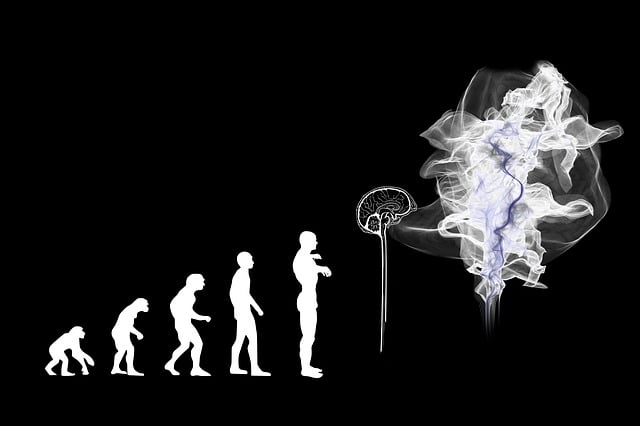
Introduction Evolution is a fundamental concept in biology that explains the changes in the inherited characteristics of species over successive generations. It is the process by which populations of organisms…

Introduction DNA, short for deoxyribonucleic acid, is a molecule that carries the genetic instructions used in the development and functioning of all known living organisms. It is a long, double-stranded…
Introduction Cell is the basic structural and functional unit of all living organisms. It is the smallest unit of life that can perform all the necessary functions required for an…
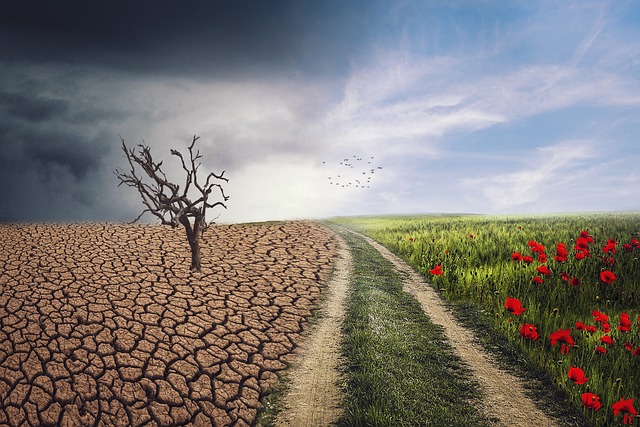
Introduction Climate change refers to long-term shifts in temperature patterns and weather conditions on Earth. It is primarily caused by human activities, particularly the burning of fossil fuels, deforestation, and…
Introduction Nanotechnology is a multidisciplinary field that involves the manipulation and control of matter at the nanoscale, typically ranging from 1 to 100 nanometers. It encompasses various scientific disciplines, including…